
Choosing blinds for a whole building is different from choosing them for a single suite. For condo boards and property managers in Calgary, one decision can affect dozens or hundreds of units, along with lobbies, corridors, amenity rooms and management offices. The right specification balances durability, privacy, light control and a consistent appearance across the building, while fitting turnover schedules and renovation plans. Boards that plan early avoid piecemeal replacements, mismatched products and repeated disruption for residents.
This guide explains what to weigh before ordering and how a phased plan keeps building standards intact over time.
Durability in High-Use Units and Common Areas
Blinds in apartment and condo buildings work harder than most people expect. They are opened and closed daily, sometimes several times a day, and they are handled by different residents over the life of a tenancy. In common areas, they may also be adjusted by staff, cleaners and visitors. That level of use quickly exposes weak cords, thin slats and lightweight mechanisms, so durability should be the first filter, not an afterthought. Boards should ask about the strength of the operating mechanism, whether slats or fabrics hold their shape after repeated use, and how easily individual parts can be repaired without changing the whole unit. Strong sunlight can fade weaker materials, while Calgary temperature swings and dry winter air can stress products not made for this climate. A stronger specification at the outset usually outlasts repeated small repairs and keeps suites looking cared for between turnovers.
Privacy and Light Control, Suite by Suite
Privacy and light control are not the same problem on every floor or elevation. A ground-level suite facing a courtyard needs dependable daytime privacy, while a higher suite with a wide view may need glare control more than screening. East-facing suites catch strong morning light, west-facing suites catch late-day glare, and suites beside parking areas or walkways need coverage that still lets daylight in. Boards should therefore set a performance standard rather than insisting on one identical product for every window. That standard might describe the level of privacy required, how much light should be filtered, and whether a room needs near-blackout coverage for shift workers or amenity spaces used for presentations.
Consistency Across a Building
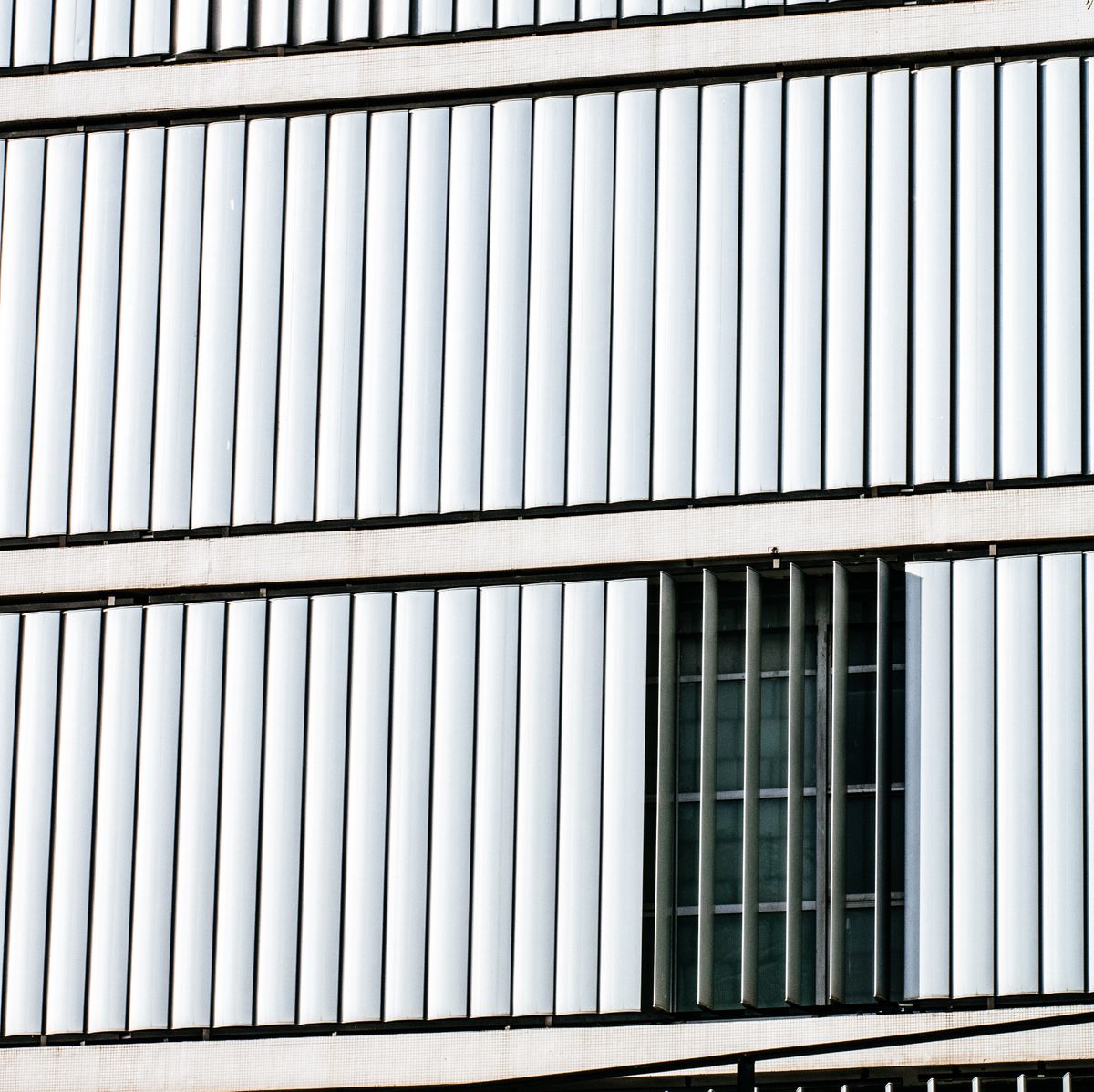
From the street, blinds are part of the building facade. Mixed colours, mixed styles and blinds left at different heights can make even a well-maintained building look untidy, and that first impression matters for prospective residents and visitors alike. Consistency does not mean every suite must look identical from inside. It means the street-facing appearance is coordinated: a limited palette, compatible materials and agreed rules for how blinds are presented. Boards can record the approved product, colour and mounting style in a building standard, keep a sample on file, and share that standard with new residents and contractors working in suites. When a replacement is needed, the standard removes guesswork and prevents a substitute that clashes with neighbouring suites.
Bulk Replacement Planning During Turnover and Renovations
The most efficient time to replace blinds is when a suite is already empty or already under renovation. Turnover provides access, avoids working around residents, and lets installers move through several suites in one visit. Renovation projects offer a similar opportunity: when other work is scheduled, blinds can be measured, ordered and installed as part of the same programme, rather than as a separate disruption weeks later. Boards and managers can support this by keeping a simple inventory of suite conditions, noting which blinds are damaged, dated or non-standard, and grouping replacements by floor or building section. The key is to plan ahead: measure early, confirm lead times, and schedule installation before new residents move in.
Common Area Versus In-Suite Considerations
Common areas and suites place different demands on window coverings, even when they use a similar product. Lobbies, corridors, fitness rooms and party rooms need blinds that withstand frequent handling, are easy to clean, and can be operated safely by staff without special tools. In suites, ease of daily use matters more: residents should be able to adjust light and privacy without force, tangled cords or complicated mechanisms. Safety is a shared concern in both settings, so boards should confirm that cords, chains and controls meet current safety expectations, especially in buildings where children visit amenity spaces. A product that is simple to dust and wipe down in a corridor will stay presentable longer, while a delicate fabric that suits a quiet suite may not survive a busy amenity room. For a full overview of suitable options, see YYC Upgrades blinds and window coverings for buildings.
A Practical Next Step for Boards and Managers
Start with an inspection, not an order. Walk a sample of suites across different floors and orientations, check common areas, and note where blinds are failing, mismatched or hard to operate. From that walkthrough, a board can set a building standard, prioritise the worst suites, and plan the first bulk batch around upcoming turnovers and renovations. YYC Upgrades has served Calgary apartment buildings, condo buildings and commercial buildings since 2012, and can help boards and property managers assess conditions, compare durable options and phase the work sensibly. To discuss your building, request a quote or call 403-397-3300 for a free estimate.