
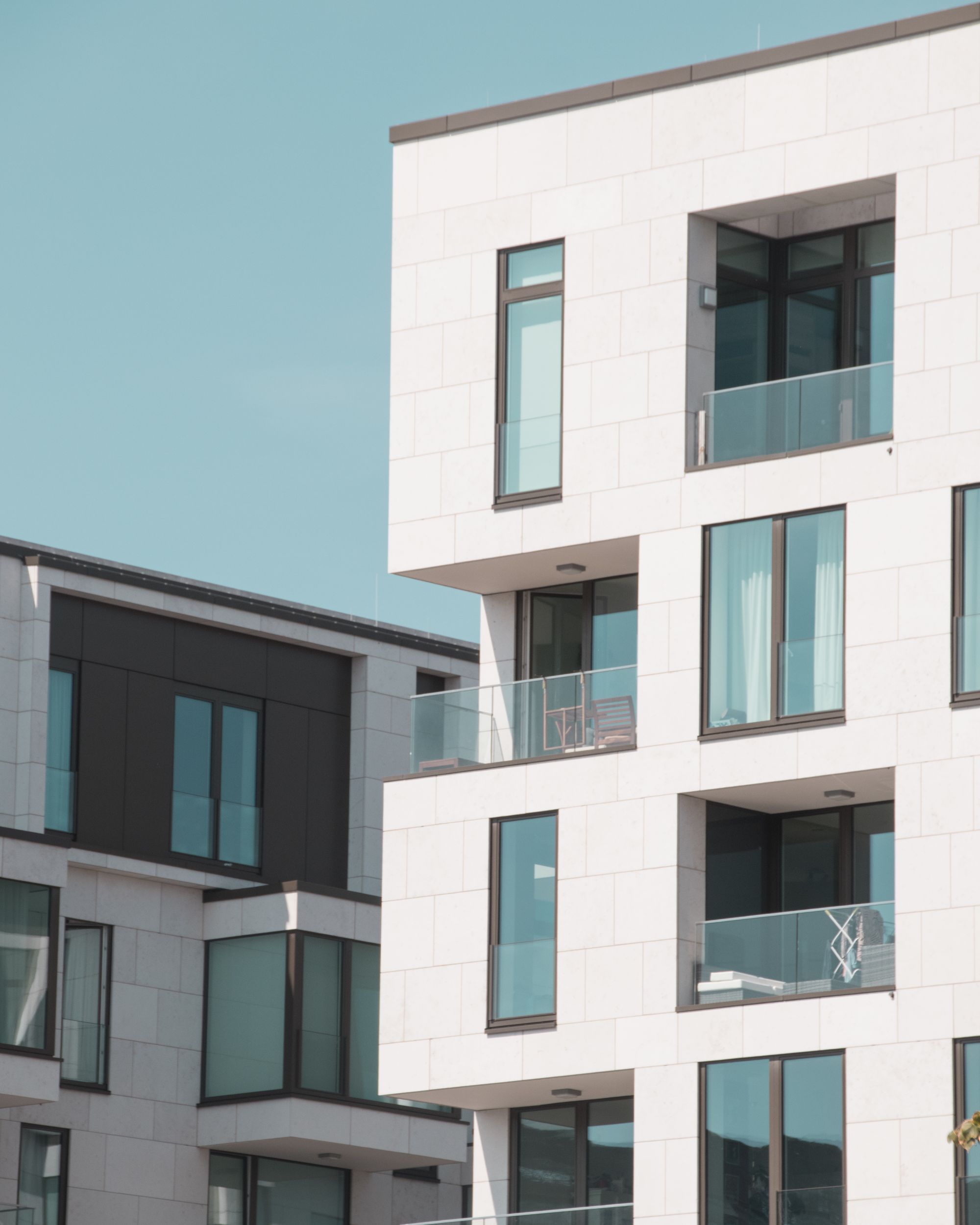
For a condo or apartment building, siding is more than an exterior finish. It is the first defence against rain, snow, wind and hail, and when it fails, water can reach the wall assembly, insulation and interior finishes long before the damage is obvious from the ground. Calgary boards therefore face a recurring question: repair the damaged sections, or replace the siding across a building or an elevation? The answer is rarely obvious, and it affects reserve planning, resident disruption and the long-term condition of the building.
This guide sets out the signs of siding failure, the factors that favour repair or replacement, and a practical way for boards to decide with evidence rather than guesswork.
Signs of Siding Failure
Water ingress is the most serious warning sign. Staining on interior walls, soft or swollen trim, musty odours in suites near exterior walls, and visible dampness after wind-driven rain all suggest that water is getting past the siding or its flashings. Boards should not assume a small stain is a small problem, because water often travels inside a wall before it appears. Warping, buckling and bowing are also telling: boards that no longer sit flat may have been affected by moisture, heat or improper fastening, and gaps that open between panels invite further water entry. Hail damage is a particular concern in Calgary. Dents, cracks and chipped finishes after a storm should be documented promptly, even if they look cosmetic, because cracked siding loses its protective function and can shorten the life of the surrounding system. Loose or missing pieces, peeling finish, faded and brittle panels, and repeated caulking failures around windows, doors and penetrations are further signs to record.
Repair Versus Replacement: Decision Factors
Repair makes sense when damage is localised, the underlying wall is sound, and matching material is still available. A few hail-damaged panels on one elevation, a section loosened by wind, or a failed flashing detail can often be repaired without disturbing the rest of the building. Replacement becomes the stronger option when damage is widespread, when panels are discontinued and cannot be matched, when the wall assembly behind the siding shows moisture damage, or when repeated repairs are already consuming maintenance effort. Age matters as well: siding near the end of its expected life will usually fail in new places soon after old places are patched, so boards should compare the disruption of another round of repairs with a single, coordinated replacement. A clear inspection report, with photographs by elevation and a note of material availability, helps boards weigh these factors without relying on impressions from ground level alone.
Reserve Fund Planning
Siding work should rarely be a surprise in a reserve fund study. Boards can use inspection findings to update remaining life estimates, phase work by elevation if the condition allows, and align siding replacement with related work such as window, flashing or painting projects. Phasing by elevation can spread disruption and make access planning easier, but it only works if the material and colour remain available for later phases, so boards should confirm supply before committing to a multi-year programme. A documented plan also helps at annual meetings: when owners and managers can see photographs, condition ratings and a phased schedule, a siding decision is easier to explain than a sudden special assessment. For buildings considering a larger programme, YYC Upgrades condo and apartment siding in Calgary services cover assessment, repair and replacement planning for multi-unit buildings.
Working Around Residents
Siding work takes place where people live, so communication and access planning matter as much as the workmanship. Boards and managers should give residents clear notice of the schedule by elevation, explain when balconies, patios or parking areas will be affected, and confirm how noise, dust and scaffolding will be managed. Access to suites is not usually required for exterior siding, but residents should know whether windows must stay closed on work days, whether balcony items need to be moved, and who to contact with questions. A phased schedule that completes one elevation before moving to the next reduces the period any one group of residents is affected and keeps emergency access clear. Safety barriers, tidy staging areas and daily clean-up also make a visible difference to resident confidence.
Inspection First, Decision Second
Before a board votes on repair or replacement, it should commission a close-up inspection. Ground-level observation misses failed flashings, soft sheathing and damage hidden behind trim, while a hands-on inspection can test fastening, check joints and penetrations, and identify whether moisture has reached the wall assembly. The inspection should cover all elevations, because sun, wind and hail exposure differ around a building, and it should produce a written summary that the board can keep with its reserve records. With that evidence, boards can prioritise the worst elevations, decide whether repair is a sound interim step or a false economy, and brief contractors on a clear scope instead of asking for open-ended estimates. YYC Upgrades has served Calgary apartment buildings, condo buildings and commercial buildings since 2012, and can help boards and property managers inspect siding, compare repair and replacement options, and plan work around residents. To discuss your building, request a quote or call 403-397-3300 for a free estimate.