
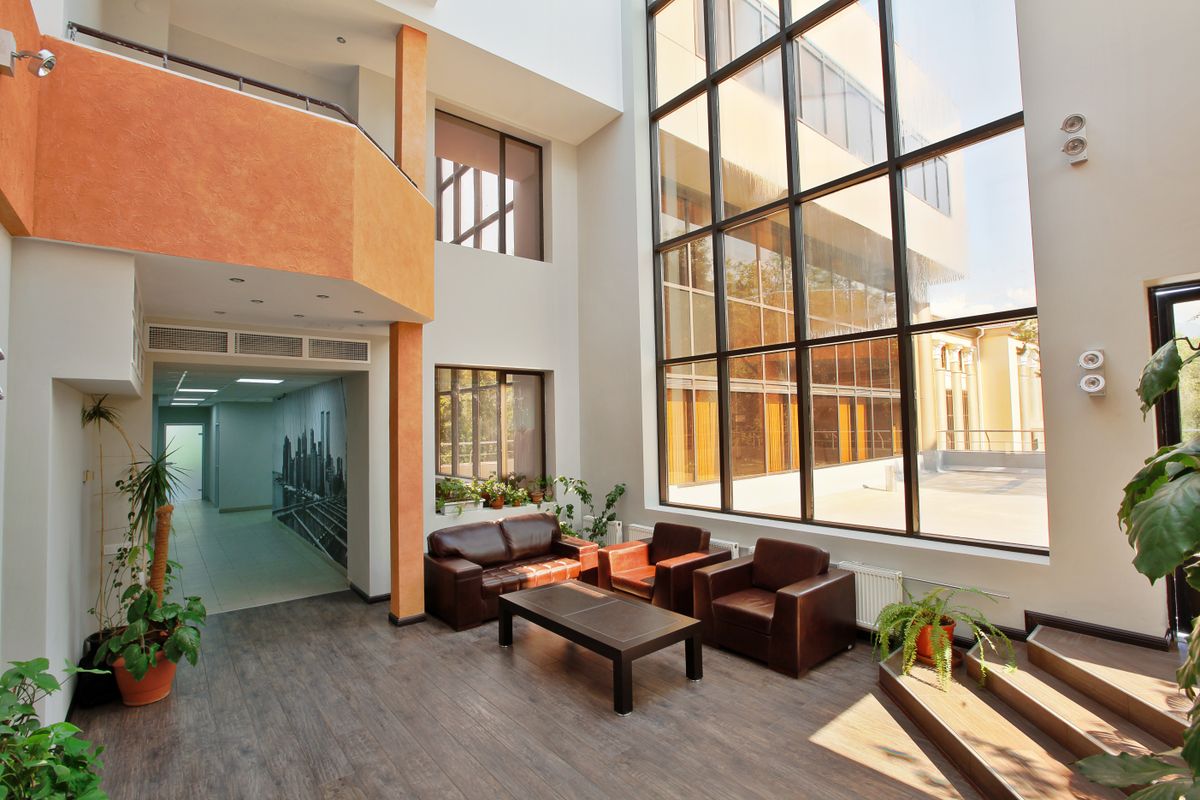
Flooring in a lobby, corridor or amenity room does a different job than flooring in a single apartment. It is walked on by many people, every day, often with outdoor shoes, carts, strollers and deliveries. It needs to look good for residents, tenants and visitors, stand up to wear, and be practical to clean and repair. For property managers and condo boards, choosing the right commercial flooring is therefore a practical decision, not just a design one.
This guide compares four options commonly used in high-traffic buildings in Calgary: luxury vinyl plank (LVP), carpet tile, sheet vinyl and polished concrete. Each has strengths, and each has trade-offs in durability, maintenance and downtime. The best choice depends on the space, the traffic, and how the building is managed.
Luxury vinyl plank (LVP)
LVP is a popular choice for lobbies and corridors because it looks like wood, resists moisture better than many wood-look options, and handles daily foot traffic well. It is also relatively easy to clean, which matters in entrance areas where dirt and moisture are tracked in. For buildings, the key is the wear layer and the installation: a thicker wear layer and a well-prepared subfloor help LVP last longer in high-traffic routes.
Downtime for LVP is usually manageable, because work can often be phased by area, keeping parts of a lobby or corridor usable. Repairs are also practical: a damaged plank can often be replaced without redoing a whole floor. The main cautions are heavy point loads, dragging furniture, and areas where water can sit, which should be planned for with mats, transitions and cleaning routines.
Carpet tile
Carpet tile suits corridors, amenity rooms and other spaces where sound, comfort and a softer feel matter. It reduces footfall noise between floors, which residents often notice, and it can hide minor wear better than a continuous surface, because tiles can be rotated or replaced individually.
Maintenance is the main consideration. Carpet tile needs regular vacuuming and periodic deep cleaning, especially in entrance-adjacent corridors where dirt accumulates. Stains and moisture need prompt attention. The advantage is repair: a stained or worn tile can be swapped for a spare, without closing a whole corridor. Keeping spare tiles from the same batch is a simple step that makes future repairs much easier.
Sheet vinyl
Sheet vinyl is a continuous, water-resistant surface, which makes it a strong option for areas where moisture, spills or frequent cleaning are expected, such as entrance vestibules, laundry-adjacent corridors and amenity kitchens. With few seams, it is easy to clean and does not trap dirt in joints the way some other floors can.
Its trade-off is repair. Damage to sheet vinyl is harder to patch invisibly than damage to a plank or tile, and a larger section may need to be replaced. It also depends heavily on subfloor preparation: an uneven or poorly prepared subfloor will show through. For a building, sheet vinyl works best where its cleaning and moisture advantages matter most, and where the area is not expected to need frequent spot repairs.
Polished concrete
Polished concrete is durable, easy to clean, and well suited to very high-traffic, industrial-look spaces such as parkade lobbies, service corridors and some modern building entrances. It handles heavy traffic, carts and cleaning equipment well, and it does not have seams or joints to wear.
It is also hard and can feel cold or noisy in residential corridors, which is why it is less common in upper-floor hallways. Installation and polishing can involve more downtime and dust control, and the finished look depends on the existing concrete. For the right ground-floor or service area, however, it can be a long-lasting, low-maintenance choice.
Durability, maintenance and downtime at a glance
- Durability: Polished concrete and LVP generally handle the heaviest traffic best. Carpet tile and sheet vinyl perform well when they are matched to the right area and maintained properly.
- Maintenance: LVP, sheet vinyl and polished concrete are generally easier to clean day to day. Carpet tile needs more regular vacuuming and deep cleaning, but offers easy tile replacement.
- Downtime: LVP and carpet tile can often be phased by area, with individual planks or tiles replaced later. Sheet vinyl and polished concrete may need larger sections closed during work, so scheduling matters more.
Choosing for your building
Start with the space, not the product. Ask how many people use it, what they bring in with them, how it is cleaned, and whether it needs to stay open during work. A lobby entrance, an upper-floor corridor and an amenity room will rarely need the same floor, even in the same building. Many buildings use a combination: a hard, easy-clean surface at entrances, LVP or carpet tile in corridors, and a practical surface in amenity and service areas.
Also think about the next repair, not just the first installation. Keeping spare planks or tiles, choosing a product that is still available, and recording what was installed and where, will save time and disruption later. For condo boards and property managers, that record is part of good building care, alongside reserve fund planning and scheduled maintenance.
If you are planning flooring for a lobby, corridor or common area in a Calgary apartment, condo or commercial building, start with a walkthrough. Request a quote from YYC Upgrades, or call 403-397-3300. You can also reach us at [email protected].